
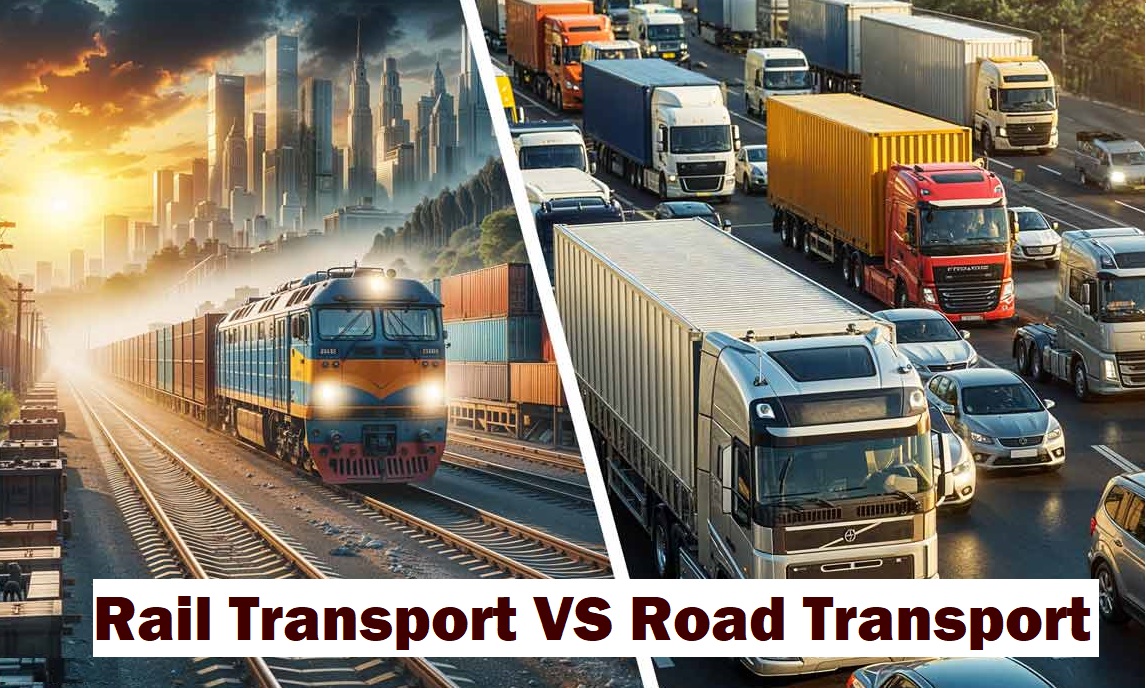
Is Rail Cargo Better Than Road Transport for Bulk Shipments?
When you plan to move bulk goods, one question comes up almost immediately. Should you send everything by road or by rail? The decision feels heavy because the shipment carries cost, time, and business impact. A wrong choice can lead to higher expenses, delays, or damaged goods. Many people book Cargo Services quickly without understanding how much the transport mode affects the outcome. This is why it helps to pause and understand what railway cargo and road transport actually offer for bulk movement. This blog explains how both options work, where each one performs better, and how you can choose the right method for your shipment.
Understanding the Two Options
Road transport uses trucks to move goods directly from one place to another. Movers and packers often prefer this for small- to medium-sized loads because it offers door-to-door service.
Railway cargo moves goods through trains. The shipment travels between railway terminals and then reaches its final destination by local transport. Rail cargo works best for large volumes, long distances, and planned shipments.
Both methods serve important roles in Cargo Services. The real difference appears when the shipment size increases and the distance grows.
Is Rail Cargo Cheaper for Bulk Shipments?
Yes. Rail cargo usually costs less for bulk movement over long distances.
Trucks charge based on fuel, tolls, driver hours, and vehicle wear. As weight increases, cost rises sharply. Bulk shipments often require multiple vehicles, which multiplies the expense.
Railway cargo spreads the cost across large volumes. Trains move heavy loads in one movement. This lowers the cost per unit. Businesses that move stock between cities often save significantly by choosing rail cargo.
For example, a business shifting warehouse stock across states may need three or four trucks. Rail cargo can move the same load in one planned dispatch. This reduces transport cost and simplifies billing.
When Rail Cargo Becomes the Better Choice
Rail cargo suits shipments that are high-volume, move across cities or states, follow a planned schedule, and remain stable in packaging. Businesses that move furniture batches, raw material, or wholesale stock benefit most from railway cargo. It balances cost, safety, and scale.
Rail cargo is especially useful when shipments exceed what a single truck can carry. It reduces coordination effort and protects the budget.
How to Decide Between Rail and Road
Ask three clear questions:
- How heavy and large is the shipment?
- How far must it travel?
- How urgent is the delivery?
Small and urgent loads suit road transport.
Large and planned loads suit rail cargo.
A reliable Cargo Services provider evaluates these points and explains how each option affects cost, safety, and timelines.
Final Thoughts
Choosing between rail cargo and road transport is not about which option sounds better. It is about what suits your shipment. If you are planning a shipment by road or rail in Delhi NCR, LR Cargo can help you choose the best mode. Their team listens first, understands what you need, and then suggests the right way forward.